


Teen Therapy in Woodland Hills
Something has shifted with your teen. Maybe it is the door that stays closed more than it used to, the one word answers, or a mood that swings from fine to furious and back again before dinner. You cannot always tell if this is normal teenage distance or something more. That uncertainty is usually what brings parents to us.
At Child & Teen Counseling, we work with teens and families throughout Woodland Hills, Canoga Park, West Hills, Reseda, Van Nuys, and the rest of the West San Fernando Valley. We help teens make sense of what they are feeling and build real tools to handle it, with therapists trained specifically to work with this age, not a version of adult therapy scaled down.
View Video transcript
What actually happens in a teen therapy session? The unsatisfying answer is, it depends. It’s going to look different for every session.
A lot of teens come into the process ready to go. They know what they want to talk about, they know what they’re feeling, and they want to start working through that. Other teens come in feeling more like a deer in the headlights.
It could be an intense conversation right out of the gate, or it could be playing cards. The first sessions are really about the client and the therapist getting to know each other and building trust between them.
What if your teen doesn’t want to talk to their therapist? If a teen doesn’t want to talk, a teen is not going to talk. That’s something we see a lot in teen counseling, and the answer is, just as you can’t make your teen talk, neither can I. It’s actually really valuable for a teen to come in and be able to be quiet, without feeling like they have to jump through hoops or tell somebody something they’re not ready to tell them.
But one thing we can do is create an environment where talking is a lot easier. We make sure they understand there’s no pressure to talk immediately, that we’re going to be patient with them, and that creating a space where talking becomes easier is really our responsibility.
What We Help Teens Work Through
Every teen who comes to us is dealing with something different. These are some of the most common reasons families reach out:
Anxiety and Stress
Worry about school, friendships, social media, or what comes next, showing up as trouble sleeping, a racing mind, or a teen who seems on edge more often than not. We help teens name what they are feeling and build coping tools that actually hold up under real pressure
Depression
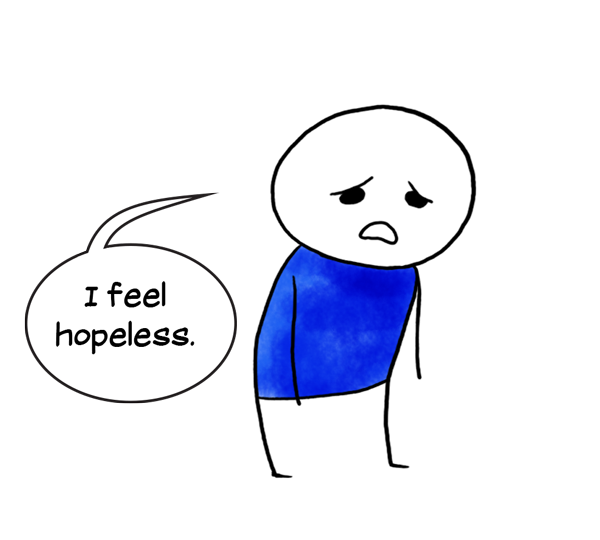
A teen who has pulled back from friends, lost interest in things they used to care about, or seems flat and low more days than not. We meet them where they are and help them find their way back to themselves, without rushing the process.
Family Conflict
Arguments about curfews, independence, screen time, or just a home that feels tense more often than calm. We help teens process what is happening in the family and give parents tools to reduce conflict and rebuild connection.
Anger and Emotional Dysregulation
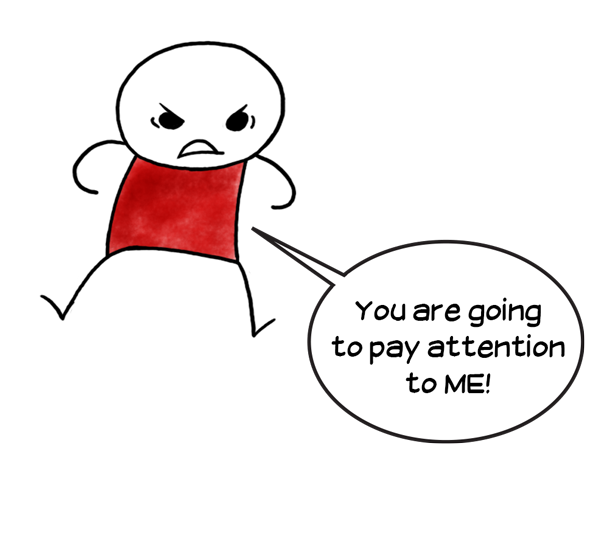
Big reactions, shutting down completely, or a teen who seems to swing from calm to furious with no warning. We help them build the emotional regulation skills that make those moments less frequent and less intense.
Self-Esteem and Identity
Teens who are hard on themselves, still figuring out who they are, or struggling to feel good in their own skin during a stage that asks them to figure out a lot at once. We help them build a steadier, kinder sense of self
What Are Teens Dealing With, and How Does Therapy Help?
Adolescence asks a lot of a person all at once. Hormones are changing, social life is changing, and there is real pressure from parents, from friends, and from themselves about what this stage of life is supposed to mean. Underneath most of what brings a teen to us are two bigger questions they are quietly working through: who am I, and how much say do I get in my own life.
Therapy gives teens a space to actually sit with those questions, with someone who is not expecting an answer from them right away and is not one of the people in their life already asking things of them. That is often what makes the difference
View Video transcript
We Speak “Teen,” We Speak “Parent”
Part of what makes teen therapy different from working with younger kids is privacy. Teens need to know that what they say in session is largely theirs, not something that gets reported back word for word, or trust never has a chance to build. At the same time, we keep parents informed on what matters for their teen's safety and wellbeing. We walk through exactly how that balance works before therapy starts, so nobody is guessing. Our therapists build real rapport with teens, not by forcing conversation, but by giving it room to happen naturally. From that, trust and honest conversation tend to follow on their own.
One Foot in Childhood, One Foot in Adulthood
Your teen can act impulsive and impatient like a much younger kid one moment, then turn around and offer up a genuinely sharp insight about the world the next. That whiplash is not a discipline problem, it is where they actually are developmentally. A teenager's brain is still very much under construction, and the parts responsible for impulse control and emotional regulation are some of the last to finish developing. Our therapists are trained specifically in this in-between stage, so we are not surprised by the contradictions and we do not treat your teen like a smaller adult or a bigger child. We meet them exactly where they are.
Not Sure If Your Teen Needs Therapy?
Most parents who reach out to us are not entirely sure yet, and that is okay. Normal teenage moodiness and something worth paying attention to can look a lot alike from the outside. Sometimes it is grades slipping, sometimes it is a teacher or coach mentioning a change they have noticed, sometimes it is your teen going quiet in a way that feels different from their usual quiet. None of that has to add up to a clear answer before it is worth having a conversation.
If you feel a little guilty or unsure about even considering therapy for your teen, that is completely normal, most parents feel that way. Our job is to make this process as comfortable as possible, for both of you
Parent Involvement
Real change takes time and consistency. We meet weekly with your teen, building the kind of trust that lets them be honest, including with themselves. It is hard to say exactly when therapy starts working since every teen and every family is different, but we generally check in around every three months to talk through how things are going.
We know therapy is an investment, and affordability matters to the families we serve. We work with families to find a fee that works for their budget, and you can read more about our approach on our affordable therapy page.
View Video transcript
Parents play a huge role in teen therapy. I think there’s a misconception sometimes that parents can drop their teen off and say, something’s wrong with my teen, help, fix them.
This can be a scary process for parents, just as much as it is for the teen, and remembering to continue to support your child’s journey in therapy, and to encourage them even when it’s hard, is really important.
The family is a system, and parents are a very big part of that system. The teen and parent relationship is enormous.
Just as a therapist reminds their clients to stick with the process, it’s helpful for teens to hear that reminder from their parents too. That’s one of the reasons we’re here, to help them.
The Healing Journey
Real change takes time and consistency. We meet weekly with your child, building the kind of trust that lets them let their guard down. It is hard to say exactly when therapy starts working since every child and every family is different, but we generally check in around every three months to talk through how things are going and what progress looks like.
We are also not just trying to change a behavior. We want to understand what is driving it, because addressing the behavior alone tends to be a short term fix rather than a lasting one. Progress takes patience and will not happen overnight, but every child’s path moves toward the same goal: a child who feels more like themselves, and a family that feels a little more at ease.
We know therapy is an investment, and affordability matters to the families we serve. We work with families to find a fee that works for their budget, and you can read more about our approach on our affordable therapy page.
Frequently Asked Questions
What age range do you work with in teen therapy?
We work with teens across middle school and high school. If you are not sure whether your teen fits, give us a call and we can talk it through together.
Is teen therapy confidential from parents?
Your teen’s privacy in session matters, and so does keeping you informed on anything that affects their safety and wellbeing. We walk through exactly how that balance works before therapy starts, so everyone knows what to expect.
What if my teen doesn't want to go to therapy?
That is common, and it does not mean therapy will not work. Our therapists are experienced at building rapport with teens who show up reluctant, and most come around once they feel like the space is actually theirs.
How much does teen therapy cost?
Money is a real consideration, and we do not pretend otherwise. We sit down with each family to work out a fee that fits their situation, details are on our affordable therapy page.
How long does teen therapy usually take?
There is no set finish line, since it depends on your teen and what brought them in. Showing up weekly is what actually moves things forward, and most families notice small changes within the first month or so.